
Yoga for Women's Health: Can It Help PCOS, Irregular Periods and Pregnancy?
A healthy lifestyle plays an important role in women’s well-being. Regular yoga practice may support physical fitness, stress management, menstrual health, fertility wellness, and a healthier pregnancy journey when combined with appropriate medical care.
Yoga for Women's Health: Benefits for PCOS, Menstrual Health, Fertility and Pregnancy
As International Yoga Day approaches, many women are looking for ways to improve their physical and emotional well-being. Yoga is often recommended for stress management, flexibility, fitness, and overall health, but can it actually help with common women’s health concerns such as PCOS, irregular periods, menstrual pain, fertility challenges, or pregnancy-related discomfort?
The answer is yes, to an extent.
Yoga can be a valuable part of a healthy lifestyle and may support women’s health in several ways. However, it is important to understand that yoga is not a substitute for medical diagnosis or treatment. Conditions such as PCOS, endometriosis, fibroids, thyroid disorders, infertility, and pregnancy complications require proper medical evaluation and individualized care.
This guide explains how yoga can support women’s health, when it may be beneficial, and when it is important to seek professional gynecological advice.
Women's health concerns such as PCOS, irregular periods, fertility challenges, and anaemia are becoming increasingly common. As more women focus on preventive health and overall wellness, yoga is gaining attention as a simple way to support physical, emotional, and reproductive well-being.

International Yoga Day: Why More Women Are Turning to Yoga for Better Health
Observed every year on 21st June, International Yoga Day encourages people to embrace healthier lifestyle habits. For women, yoga can be a simple yet effective way to support physical fitness, manage stress, improve flexibility, and promote overall well-being. While yoga is not a treatment for conditions such as PCOS, irregular periods, infertility, or pregnancy-related complications, it can complement medical care and healthy lifestyle choices. This International Yoga Day, consider yoga as one part of a broader commitment to your long-term health and wellness.
Women's Health in India: Why Awareness Matters
Women’s health concerns are becoming increasingly common across India.
According to the World Health Organization (WHO), Polycystic Ovary Syndrome (PCOS) affects approximately 8–13% of women of reproductive age worldwide, and up to 70% of cases remain undiagnosed.
Several Indian studies have reported PCOS prevalence ranging between 10% and 20%, making it one of the most common hormonal disorders affecting women today.
Another major concern is anaemia. According to the National Family Health Survey (NFHS-5), approximately 57% of women aged 15–49 years in India are anaemic, while 52.2% of pregnant women are affected by anaemia.
These numbers highlight the importance of preventive healthcare, regular check-ups, healthy nutrition, and physical activity.
Can Yoga Help Women with PCOS?
PCOS (Polycystic Ovary Syndrome) is one of the most common reasons women visit a gynecologist.
Common symptoms include:
- Irregular periods
- Weight gain
- Acne
- Excess facial hair
- Hair thinning
- Difficulty conceiving
Although yoga cannot cure PCOS, it may help support overall management when combined with appropriate medical care and lifestyle modifications.
Potential Benefits of Yoga for PCOS
Regular yoga practice may help:
- Reduce stress levels
- Improve sleep quality
- Support weight management efforts
- Encourage regular physical activity
- Improve emotional well-being
Since stress can worsen hormonal imbalances, relaxation techniques and mindful movement may be particularly beneficial for women with PCOS.
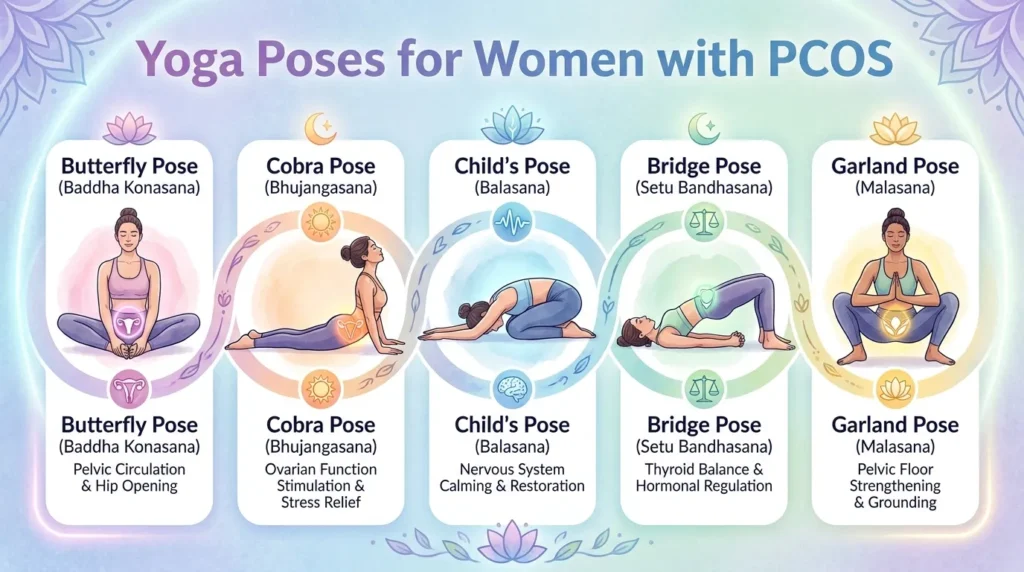
Yoga Poses Commonly Practiced by Women with PCOS
- Butterfly Pose (Baddha Konasana)
- Cobra Pose (Bhujangasana)
- Child’s Pose (Balasana)
- Bridge Pose (Setu Bandhasana)
- Garland Pose (Malasana)
These poses may help improve flexibility, circulation, and relaxation.
When You Should See a Gynecologist
Yoga alone is unlikely to address the underlying hormonal causes of PCOS.
Medical evaluation is recommended if you experience:
- Missing periods for several months
- Difficulty getting pregnant
- Rapid weight gain
- Severe acne
- Excessive facial hair growth
- Persistent hormonal symptoms
Can Yoga Help with Irregular Periods?
Irregular periods are often linked to:
- PCOS
- Thyroid disorders
- Hormonal imbalances
- Excessive stress
- Significant weight fluctuations
- Perimenopause
Because yoga helps reduce stress and encourages healthy lifestyle habits, some women notice improvements in menstrual regularity.
However, irregular periods should never automatically be attributed to stress.
If your cycles are consistently unpredictable, delayed, or absent, it is important to identify the underlying cause.
Can Yoga Reduce Menstrual Pain?
Menstrual cramps affect millions of women every month.
Gentle yoga stretches may help relax pelvic muscles, reduce tension, and improve circulation, which can provide relief for some women.
Yoga Poses Often Practiced During Menstruation
- Child’s Pose
- Butterfly Pose
- Cat-Cow Stretch
- Reclining Bound Angle Pose
- Gentle Supine Twist
When Period Pain Needs Medical Attention
Consult a gynecologist if:
- Pain interferes with daily activities
- Pain worsens over time
- Heavy bleeding accompanies the pain
- Pain medication is required every cycle
Conditions such as endometriosis, adenomyosis, or fibroids may require medical treatment.
Is Yoga Safe During Pregnancy?
For most women with uncomplicated pregnancies, staying physically active is encouraged.
Prenatal yoga can be a safe and effective way to maintain flexibility, improve posture, and support overall well-being during pregnancy.
Potential Benefits of Prenatal Yoga
Prenatal yoga may help:
- Improve posture
- Reduce back pain
- Improve flexibility
- Support better sleep
- Encourage breathing techniques
- Prepare the body for labour
Many women also find prenatal yoga beneficial for reducing anxiety and improving overall comfort during pregnancy.
Safe Yoga Practices During Pregnancy
Every pregnancy is different, which is why exercise recommendations should always be individualized.
First Trimester
- Gentle stretching
- Breathing exercises
- Modified standing poses
Second Trimester
- Cat-Cow Stretch
- Side stretches
- Pelvic tilts
- Supported squats
Third Trimester
- Pelvic floor exercises
- Supported stretching
- Relaxation and breathing techniques
Before starting any exercise programme during pregnancy, consult your obstetrician.
When Pregnant Women Should Seek Medical Advice Before Starting Yoga
Always consult your doctor if you have:
- High-risk pregnancy
- Placenta previa
- Vaginal bleeding
- Recurrent pregnancy loss
- Pregnancy-induced hypertension
- Cervical insufficiency
- Multiple pregnancy
Certain pregnancy-related conditions require modifications or restrictions in physical activity.
Can Yoga Replace Medical Treatment?
No.Yoga can complement medical care, but it cannot replace it.
Yoga can support:
- Physical fitness
- Stress management
- Flexibility
- Mental well-being
- Healthy lifestyle habits
However, yoga cannot:
- Diagnose PCOS
- Detect fibroids
- Treat endometriosis
- Evaluate infertility
- Monitor pregnancy complications
- Replace routine gynecological care
These conditions require medical assessment, investigations, and individualized treatment plans. If symptoms persist despite lifestyle changes, professional medical evaluation is essential.
When Should You Consult a Gynecologist?
You should seek medical advice if you experience:
- Irregular periods
- Severe menstrual pain
- Heavy bleeding
- PCOS symptoms
- Difficulty conceiving
- Recurrent miscarriages
- Persistent pelvic pain
- Pregnancy-related concerns
Many gynecological conditions become easier to manage when identified early. Waiting for symptoms to resolve on their own can sometimes delay treatment and prolong discomfort.
The Bottom Line
Yoga can be a valuable tool for improving flexibility, reducing stress, supporting physical activity, and promoting overall well-being. It may complement the management of conditions such as PCOS, menstrual discomfort, fertility concerns, and pregnancy-related changes.
However, symptoms such as irregular periods, severe menstrual pain, excessive bleeding, infertility, or pregnancy complications should never be self-diagnosed or ignored.
If you are experiencing persistent gynecological symptoms, a timely medical evaluation can help identify the underlying cause and ensure appropriate treatment.
At Dr. Aayushi Clinic, Dwarka, we believe in combining evidence-based medical care with sustainable lifestyle practices to help women make informed decisions about their reproductive and overall health.
References
- World Health Organization (WHO) – Polycystic Ovary Syndrome (PCOS) Fact Sheet
- National Family Health Survey (NFHS-5), Ministry of Health & Family Welfare, Government of India
- Indian Council of Medical Research (ICMR)
- American College of Obstetricians and Gynecologists (ACOG) – Exercise During Pregnancy
- Ministry of Health & Family Welfare, Government of India
Schedule a consultation if you would like personalized guidance.
If your symptoms feel persistent or confusing, seeking guidance from an experienced gynaecologist in Dwarka can provide clarity and reassurance. Early evaluation and the right PMOS treatment can significantly improve hormonal balance and overall well-being over time. Schedule your consultation with Dr. Aayushi today.
Take the first step toward hormonal balance, improved fertility, and long-term wellness.
Frequently Asked Questions About PMOS
1. Can yoga cure PCOS?
No. Yoga may support overall health and symptom management, but PCOS usually requires medical evaluation and a comprehensive treatment plan.
2. Can yoga regulate periods?
Yoga may help reduce stress-related hormonal fluctuations, but persistent irregular periods should always be medically evaluated.
3. Is prenatal yoga safe for all pregnant women?
No. Women with high-risk pregnancies should consult their obstetrician before starting prenatal yoga.
4. Can yoga improve fertility?
Yoga may support emotional well-being and reduce stress, but fertility problems often require medical assessment and targeted treatment.
5.Which exercise is best for women’s hormonal health?
There is no single best exercise. A combination of regular physical activity, strength training, walking, yoga, balanced nutrition, and adequate sleep is generally recommended.
6. Can I do yoga during my periods?
Yes, many women can safely practice gentle yoga during menstruation. Relaxing poses and stretching exercises may help reduce cramps and improve comfort. However, avoid strenuous postures if you feel fatigued or experience heavy bleeding.
7. How often should women practice yoga for health benefits?
Consistency is more important than intensity. Practicing yoga for 20–30 minutes, 3–5 times a week, along with other healthy lifestyle habits, may help improve flexibility, stress management, and overall well-being.
8. Can yoga help reduce stress and anxiety?
Yoga combines physical movement, breathing techniques, and mindfulness, which may help reduce stress and promote relaxation. Lower stress levels can also positively impact overall health and emotional well-being.
9. Is yoga beneficial for women approaching menopause?
Yes. Regular yoga practice may help improve flexibility, sleep quality, mood, and stress management during the menopausal transition. However, women with significant symptoms should also seek medical guidance.
10. Can yoga help with weight management in women?
Yoga alone is not a weight-loss treatment, but it can support an active lifestyle, improve body awareness, and encourage healthier habits when combined with balanced nutrition and regular exercise.
11. What is the best time of day to practice yoga?
The best time is whenever you can practice consistently. Many women prefer mornings for increased energy and focus, while others find evening yoga helpful for relaxation and stress relief.
12. Should I learn yoga under the guidance of a trained instructor?
Yes, especially if you are a beginner, pregnant, or have an existing medical condition. A qualified yoga instructor can help ensure that poses are performed safely and appropriately.
3. How soon can I notice the benefits of yoga?
Some women notice improvements in stress levels, flexibility, and sleep quality within a few weeks. Benefits related to overall fitness and well-being generally develop with regular, long-term practice.
Also Read
- Understanding & Managing Your PMS
- Navigating Menopause: Your Personalized Path to Well-being at Dr. Aayushi Clinic
- Understanding Endometriosis: Expert Care at Dr. Aayushi Clinic, Dwarka, Delhi
- Beyond the Diagnosis: Empowering Your Journey with Gestational Diabetes at Dr. Aayushi Clinic
- Beyond the Buzz: The Real Impact of the HPV Vaccine at Dr. Aayushi Clinic, Dwarka, Delhi
Contact Us
Get in touch today
Schedule your appointment now!
Visit Today
We offer advanced, patient-focused women’s healthcare.
Address:
Flat No 20, Ground Floor, Rose Apartments, Sector -18B, Dwarka, New Delhi.
Timings:
Monday to Saturday Evening : 6:30 pm – 8:30 pm
Sunday Afternoon/Evening : 2 PM to 7 PM (By Appointment)
The information provided on this page is for general educational purposes only and should not be considered medical advice. It is essential to consult with a qualified healthcare professional like Dr. Aayushi for any health concerns or before making any decisions related to your health or treatment.