
PCOS Is Now PMOS: Meaning, Symptoms | PMOS Treatment at Dr. Aayushi Clinic
Struggling with PMOS in Dwarka, Delhi? Dr. Aayushi offers expert diagnosis, personalized PMOS treatment, and compassionate care. Book your consultation today for a healthier tomorrow.
PCOS Is Now PMOS: What Women Need To Know About This Historic Change
One of the most significant developments in women’s health has finally arrived. Polycystic Ovary Syndrome (PCOS), a condition affecting millions of women worldwide, has officially been renamed to Polyendocrine Metabolic Ovarian Syndrome (PMOS) after a global medical consensus involving leading endocrinologists, researchers, and patient advocacy groups.
For years, the term “PCOS” created confusion among patients because many women diagnosed with the condition never actually had ovarian cysts. Experts now believe the old name failed to reflect the true complexity of the disorder, which affects hormones, metabolism, fertility, mental health, and long-term overall wellness.
This new terminology is not just a cosmetic change. It represents a major shift in how the medical world understands and approaches this condition.
What millions of women once knew as PCOS is now making global headlines under a new name PMOS (Polyendocrine Metabolic Ovarian Syndrome). The historic name change is reshaping how doctors, researchers, and women worldwide understand this complex hormonal and metabolic condition.
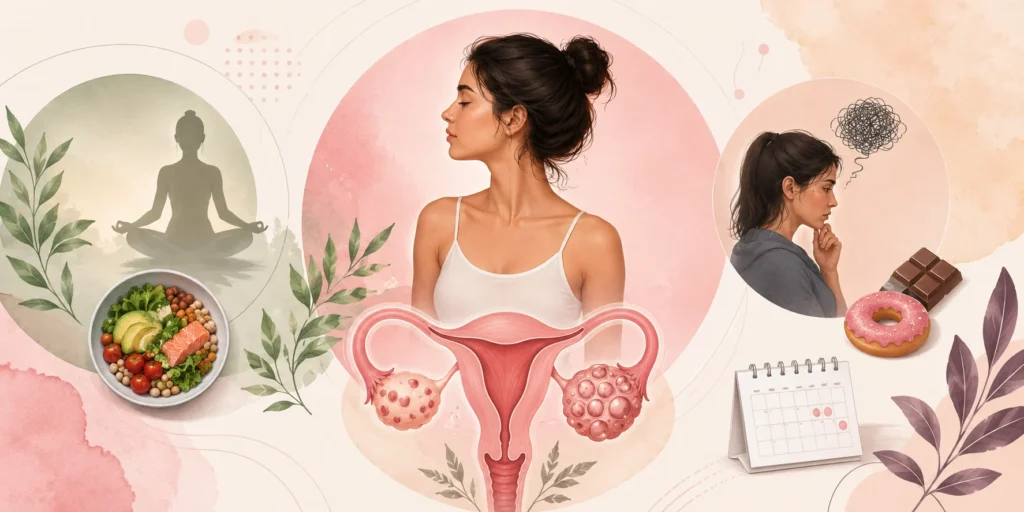
Why Was PCOS Renamed?
The term “Polycystic Ovary Syndrome” has been used since 1935. However, over the years, doctors and researchers observed that the name itself was medically misleading. Many women with the condition do not develop ovarian cysts, while others may have cysts without having the syndrome.
The newly adopted term, Polyendocrine Metabolic Ovarian Syndrome (PMOS) better reflects the actual nature of the disease:
- Polyendocrine → Multiple hormone systems are involved
- Metabolic → The condition affects metabolism, insulin resistance, weight, and diabetes risk
- Ovarian → It still impacts ovulation, periods, and fertility
- Syndrome → It is a group of interconnected symptoms and health risks
According to international experts, the new name helps patients and doctors understand that this condition is not just about the ovaries, it is a full-body endocrine and metabolic disorder.
A Global Movement After 14 Years
The renaming was not sudden. It came after nearly 14 years of discussions involving more than 50 medical organizations and patient groups across several countries. The decision was formally published in The Lancet and announced during the European Congress of Endocrinology 2026.
Researchers emphasized that women often faced delayed diagnosis because the term “PCOS” focused too heavily on ovarian cysts. Many patients believed they could not have PCOS if their scans appeared normal. This misunderstanding prevented timely treatment and awareness.
The new name aims to remove stigma, improve diagnosis rates, and encourage a broader treatment approach.
What is PMOS?
PMOS Meaning
PMOS stands for Polyendocrine Metabolic Ovarian Syndrome, the updated medical term for PCOS (Polycystic Ovary Syndrome). It is a hormonal and metabolic condition that affects ovulation, menstrual cycles, fertility, insulin levels, weight, and skin health in women. The term PMOS was introduced to better reflect that the condition impacts the entire endocrine and metabolic system, not just the ovaries. Common symptoms include irregular periods, acne, weight gain, and difficulty conceiving. Recent medical discussions and research publications have supported this updated terminology.
What Does This Mean For Women In India?
This change is especially important for India, where cases of PCOS have increased significantly among adolescents and young women over the past decade.
Lifestyle changes, increased stress, sedentary habits, processed food consumption, obesity, poor sleep cycles, and genetic predisposition are contributing factors behind the rising prevalence of the disorder in Indian women. Studies have shown that Indian women with PCOS are at higher risk of metabolic complications at a younger age.
Many women still consider PCOS only as a fertility issue. However, PMOS highlights the larger picture, including risks of:
- Type 2 diabetes
- Insulin resistance
- Obesity
- Fatty liver disease
- High cholesterol
- Cardiovascular disease
- Anxiety and depression
- Sleep disorders
Experts believe the new terminology will encourage earlier screening and more holistic management rather than focusing only on pregnancy-related concerns.
Symptoms Of PMOS
Although the name has changed, the symptoms remain the same because PMOS is the same condition previously called PCOS.
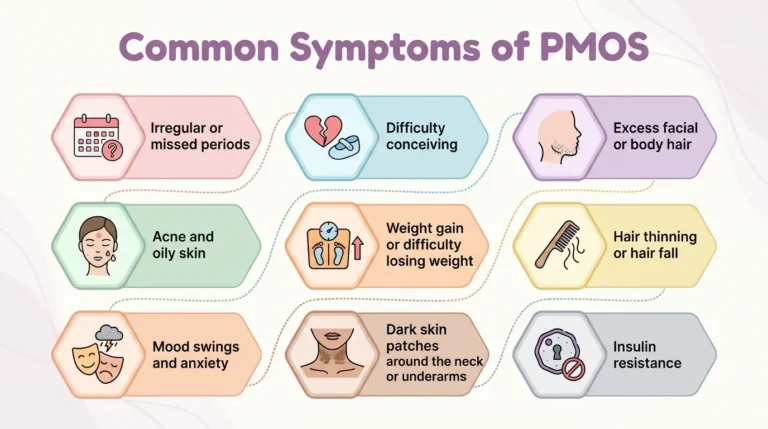
Common PMOS symptoms include:
- Irregular or missed periods
- Difficulty conceiving
- Excess facial or body hair
- Acne and oily skin
- Weight gain or difficulty losing weight
- Hair thinning or hair fall
- Mood swings and anxiety
- Dark skin patches around the neck or underarms
- Insulin resistance
Some women may experience only a few PMOS symptoms, while others may have multiple metabolic and hormonal complications together.
Will Diagnosis Or Treatment Change?
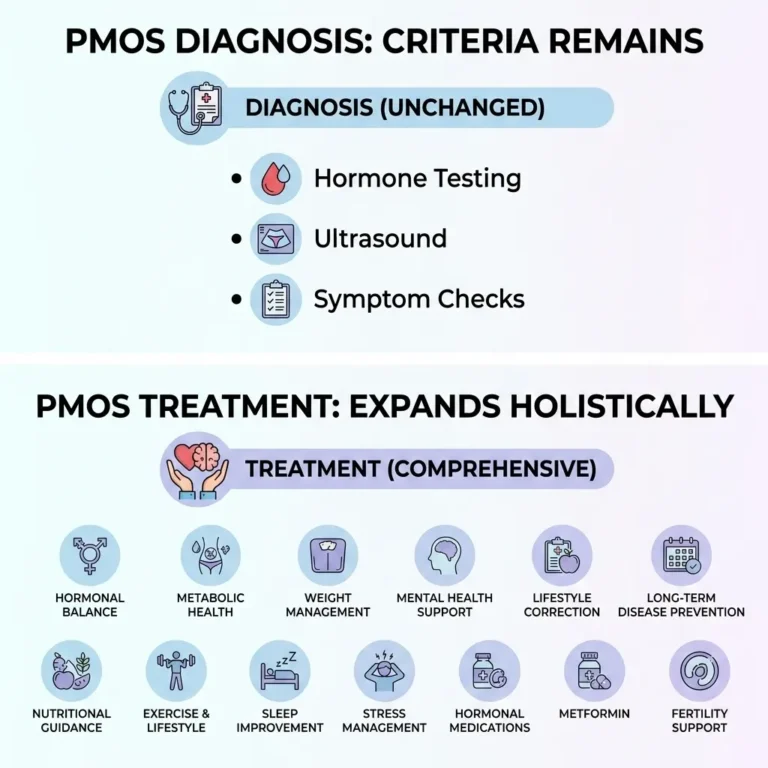
No. The diagnostic criteria for PMOS remain unchanged for now. Doctors will continue using the same clinical evaluation methods, hormone testing, ultrasound scans, and symptom assessments.
However, the approach toward treatment is expected to become more comprehensive.
Instead of focusing only on periods and ovarian cysts, healthcare professionals are now emphasizing:
- Hormonal balance
- Metabolic health
- Weight management
- Mental health support
- Lifestyle correction
- Long-term disease prevention
Treatment plans may include:
- Nutritional guidance
- Exercise and lifestyle modifications
- Sleep improvement
- Stress management
- Hormonal medications
- Insulin-sensitizing medicines like metformin
- Fertility support when needed
A multidisciplinary approach involving gynecologists, endocrinologists, nutritionists, and mental health experts is now being encouraged globally.
Why This Name Change Truly Matters
For many women, the word “PCOS” created confusion, embarrassment, and fear. Some believed it meant permanent infertility. Others ignored symptoms because they had no ovarian cysts visible on scans.
PMOS is expected to improve awareness by clearly explaining that this is a complex endocrine and metabolic disorder rather than just a gynecological issue.
Globally, nearly 1 in 8 women are believed to be affected by this condition, yet a large percentage remain undiagnosed. Experts hope this renaming will lead to better education, faster diagnosis, stronger research funding, and improved healthcare outcomes for women everywhere.
PMOS Treatment Options in Dwarka
While there is no permanent cure for PMOS, effective PMOS management involves a combination of lifestyle modification, medical support, and regular monitoring
Our approach to PMOS treatment in Dwarka includes:
1. Lifestyle Modification
Structured guidance on diet, exercise, and weight management.
2. Medical Management
- Hormonal therapy for regulating cycles
- Insulin-sensitizing medications
- Treatment for acne and excess hair growth
3. Fertility-Focused Care: If you are planning a pregnancy, ovulation-inducing treatments can help restore ovulation.
4. Long-Term Monitoring: Regular follow-ups to prevent diabetes, hypertension, and metabolic syndrome.
PMOS & Pregnancy
One of the biggest concerns women have is: “Can I conceive with PMOS?”
The answer is — yes, many women can.
With timely PMOS treatment in Dwarka, ovulation can often be restored. Personalised fertility management significantly improves pregnancy chances.
Early consultation makes a difference.
Why Women in Dwarka Trust Dr Aayushi for PMOS Treatment
When it comes to managing PMOS previously called polycystic ovary syndrome (PCOS), the right guidance makes all the difference.
With advanced international training and extensive experience in women’s health, Dr. Aayushi offers evidence-based, compassionate care right here in Dwarka.
At our clinic, PMOS treatment is never generic. Every care plan is thoughtfully designed around:
- Your hormonal profile
- Your lifestyle
- Your fertility goals
- Your long-term health
Women across Dwarka and nearby areas choose us for personalized attention, clinical expertise, and a supportive approach that prioritizes both results and comfort.
Final Thoughts
The transition from PCOS to PMOS marks a historic step in women’s healthcare. While the symptoms and treatments remain largely the same, the new name finally acknowledges the true complexity of the condition.
For women struggling with irregular periods, hormonal imbalance, weight fluctuations, acne, fertility concerns, or unexplained metabolic issues, this change is a reminder that their condition is real, systemic, and deserving of comprehensive medical attention.
Awareness, early diagnosis, lifestyle correction, and proper medical support remain the key pillars in managing PMOS effectively and improving long-term quality of life for women across the globe.
Schedule a consultation if you would like personalized guidance.
If your symptoms feel persistent or confusing, seeking guidance from an experienced gynaecologist in Dwarka can provide clarity and reassurance. Early evaluation and the right PMOS treatment can significantly improve hormonal balance and overall well-being over time. Schedule your consultation with Dr. Aayushi today.
Take the first step toward hormonal balance, improved fertility, and long-term wellness.
Frequently Asked Questions About PMOS
1. What is PMOS?
PMOS stands for Polyendocrine Metabolic Ovarian Syndrome, an updated medical term for PCOS that highlights both hormonal and metabolic health issues.
2. What is the full form of PMOS in medical terms?
The full form of PMOS is Polyendocrine Metabolic Ovarian Syndrome.
3. What is the medical meaning of PMOS?
PMOS is a hormonal and metabolic disorder that can affect ovulation, menstrual cycles, insulin resistance, fertility, and overall reproductive health.
4. What are the common PMOS symptoms?
Common PMOS symptoms include irregular periods, acne, weight gain, excessive facial hair, hair thinning, mood changes, and difficulty getting pregnant.
5. What are the symptoms of PMOS in women?
Symptoms of PMOS in women may include missed periods, hormonal imbalance, ovarian cyst-like follicles, fatigue, and metabolic issues such as insulin resistance.
6. How do I know if I have PMOS?
You may have PMOS if you experience irregular menstrual cycles, unexplained weight gain, acne, or fertility issues. A fertility or gynecology specialist can confirm the diagnosis through tests and scans.
7. What are the diagnostic criteria for PMOS?
PMOS diagnostic criteria generally include irregular ovulation, hormonal imbalance, and polycystic ovarian appearance on ultrasound, along with metabolic symptoms.
8. Is PMOS the same as PCOS?
Yes, PMOS is considered the updated terminology for PCOS, reflecting that the condition affects the endocrine and metabolic systems, not just the ovaries.
9. What is the best PMOS treatment?PMOS treatment depends on symptoms and may include lifestyle changes, weight management, hormonal medications, ovulation induction, and fertility treatments like IUI or IVF.
10. Can PMOS symptoms be managed naturally?
Yes, many women manage PMOS symptoms with regular exercise, a balanced diet, stress reduction, proper sleep, and medical guidance when needed.
Also Read
- Understanding & Managing Your PMS
- Navigating Menopause: Your Personalized Path to Well-being at Dr. Aayushi Clinic
- Understanding Endometriosis: Expert Care at Dr. Aayushi Clinic, Dwarka, Delhi
- Beyond the Diagnosis: Empowering Your Journey with Gestational Diabetes at Dr. Aayushi Clinic
- Beyond the Buzz: The Real Impact of the HPV Vaccine at Dr. Aayushi Clinic, Dwarka, Delhi
Contact Us
Get in touch today
Schedule your appointment now!
Visit Today
We offer advanced, patient-focused women’s healthcare.
Address:
Flat No 20, Ground Floor, Rose Apartments, Sector -18B, Dwarka, New Delhi.
Timings:
Monday to Saturday Evening : 6:30 pm – 8:30 pm
Sunday Afternoon/Evening : 2 PM to 7 PM (By Appointment)
The information provided on this page is for general educational purposes only and should not be considered medical advice. It is essential to consult with a qualified healthcare professional like Dr. Aayushi for any health concerns or before making any decisions related to your health or treatment.